[Case Study] How saying "We exhibit at Japan Expo" opened doors for international business negotiations | Fuji Merchandise
Published date:
2026-10-01
![[Case Study] How saying "We exhibit at Japan Expo" opened doors for international business negotiations | Fuji Merchandise](https://cdn.prod.website-files.com/679a0f0767ddc89953624c39/6aa36cc9084a256532a3ed1e_Article418__DSC2778_1200_675.webp)
"I want to sell my products overseas." Many people have likely attended an exhibition with that goal in mind, only to find that while the event itself was a success, it didn't lead to any lasting business.
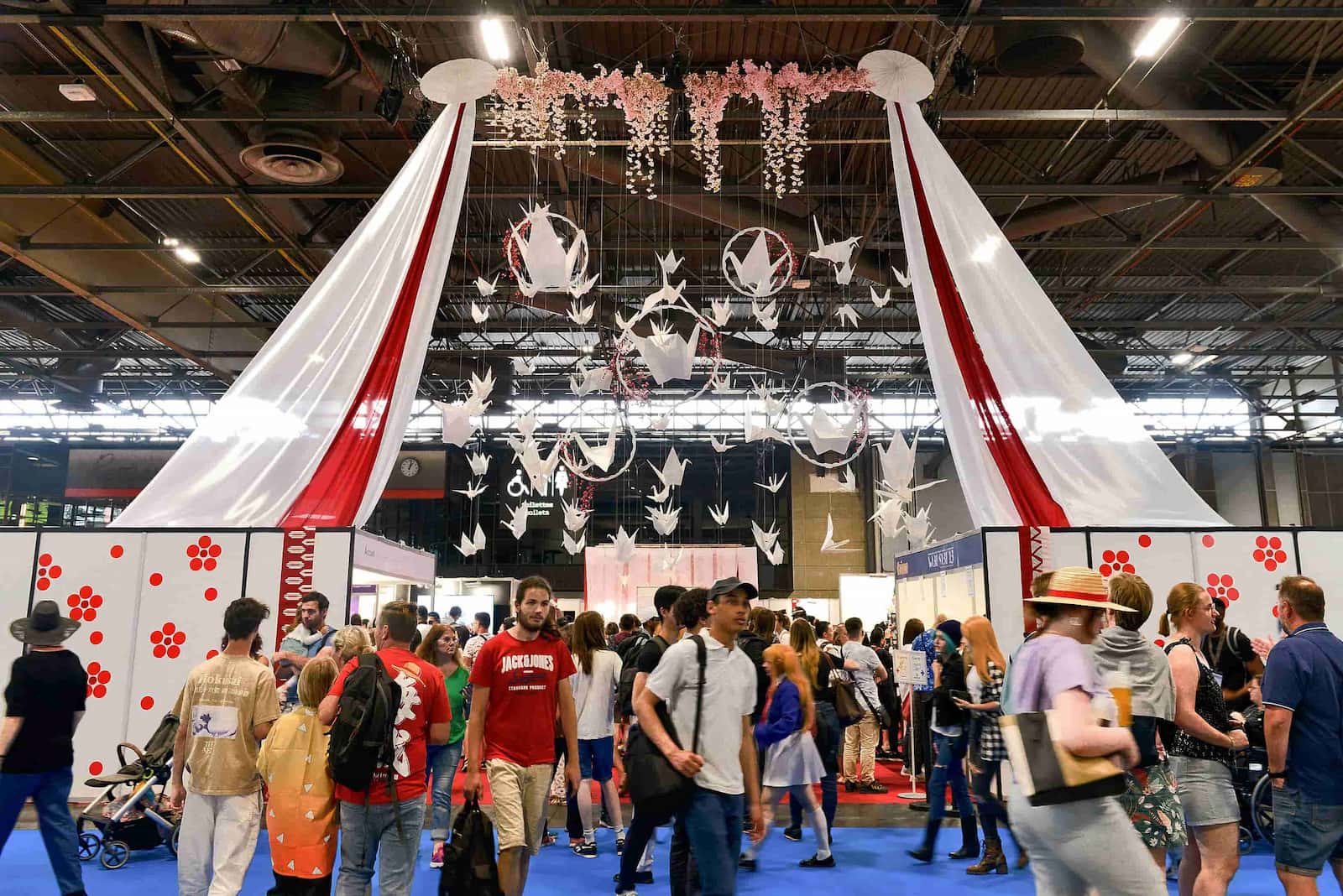
In July 2026, held in Paris, France,Japan Expo Parisfeatured the first-ever appearance by Fuji Merchandise, a retailer of Japanese tableware and traditional goods, within the "WABI SABI" pavilion—a space dedicated to Japanese culture managed by Japan Promotion.
The company adopted a two-pronged strategy: direct booth sales and business development with local companies. We spoke with Mr. Kawachi, the representative in charge, about what worked, what didn't, and the challenges they faced.
Fuji Merchandise exports household goods like ceramics and kitchen knives, as well as traditional Japanese items, to over 20 countries worldwide.Fuji Merchandise Co., Ltd.Founded in Yokohama in 1974, the company is a long-standing trading firm.
To date, they have exhibited at B2B trade shows for tableware and ceramics in China and the United States. They are well-prepared, with product catalogs for business negotiations and staff capable of conducting meetings in English.
However, Japan Expo was their first time participating in an event where they sold directly to the general public overseas.
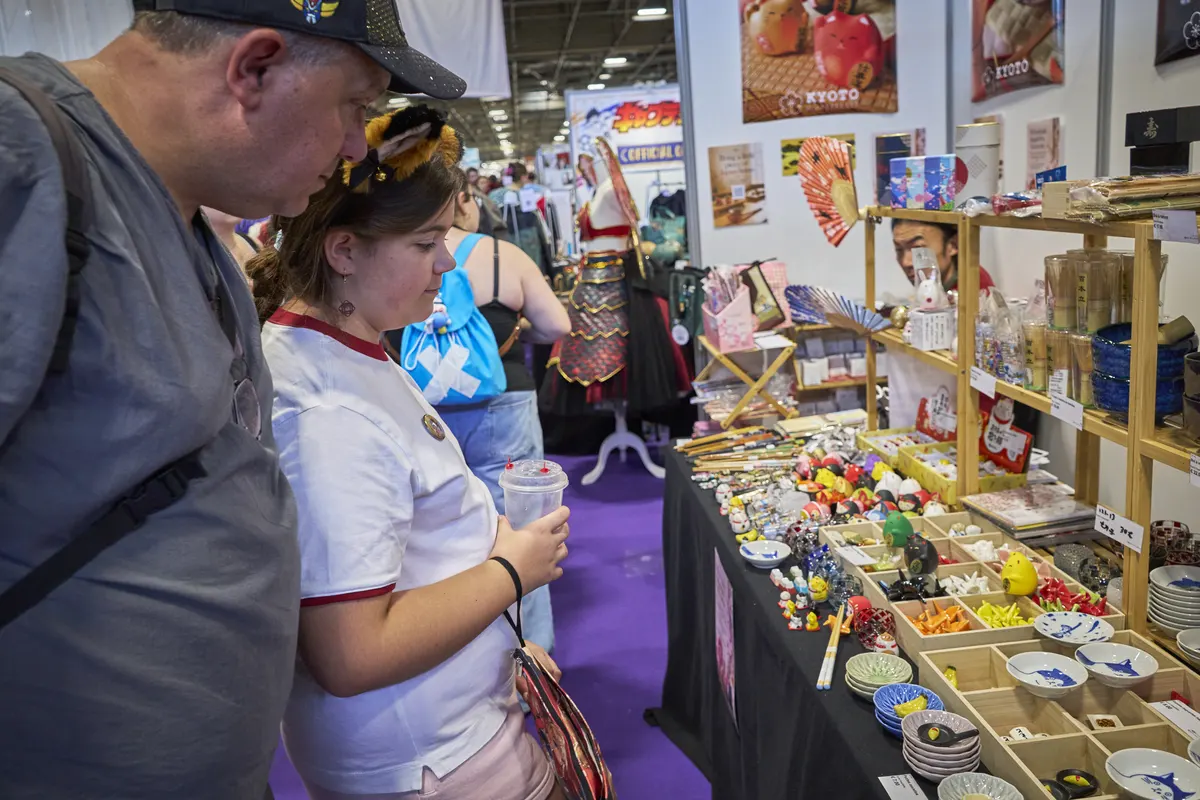
While exhibiting at B2B trade shows, Mr. Kawachi noticed a recurring issue: while negotiations were lively, they rarely led to long-term business.
"Since everyone there is looking to do business, the conversations are very enthusiastic. We'd agree to send a quote for the next order, but because the potential clients are also looking at various rival trading companies, we often end up losing the deal."
The turning point came this April. "I happened to see a video on Instagram of a Japanese cultural event in the UK. Amidst the karate and calligraphy demonstrations, there was one booth filled with rice bowls. I realized, 'Oh, this is the kind of event we could exhibit at.'"
He realized he could display his company's tableware at an event where he could sell directly to consumers—and with almost no competitors doing the same. Once he realized this, he tracked down Japan Expo, the largest Japanese cultural event in Europe, and decided to exhibit. It took less than a month from discovery to commitment.
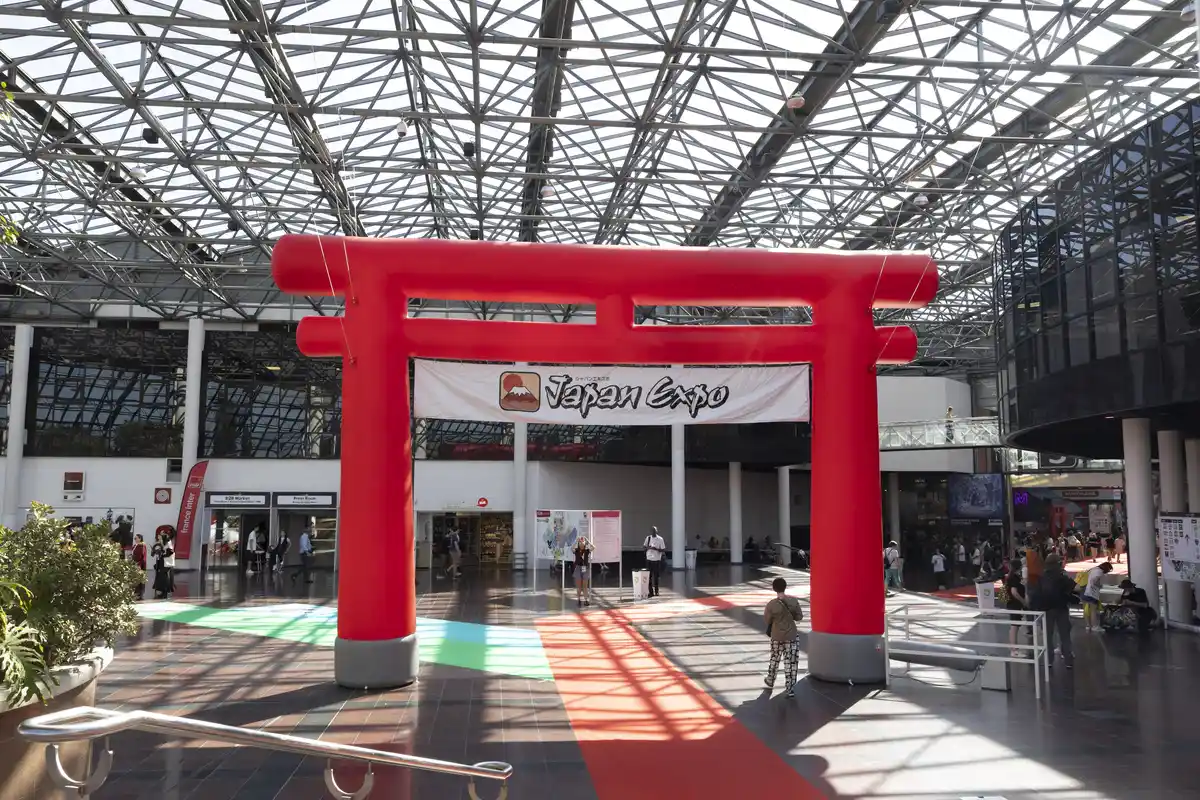
The Japan Expo name proved to be a powerful asset for our sales outreach to local companies, which we conducted alongside our booth sales.
"The best part was being able to say, 'We're a company exhibiting at Japan Expo.' It’s completely different from a company no one has heard of showing up out of the blue; when you're exhibiting at a famous event, people assume you're a legitimate business. They were much more willing to listen, often saying, 'If you're at Japan Expo, please, come on in.' In short, we were able to use the event as a form of advertising."
The way you are received changes significantly depending on whether you are calling from Japan out of the blue or reaching out as a company currently exhibiting at the venue. The exhibition itself served as a business card.
So, how exactly were those calls made?
"We searched online and just kept picking out potential customers. We made a list of 100 and called them one by one, right down the list."
Instead of spending time creating a highly refined list, they took immediate action with the resources at hand. They managed to contact all 100 prospects within the limited time they had before their trip.
What surprised us was that there was almost no language barrier.
"I had this image that French companies disliked English, but since these shops deal in Japanese products, the contact person was often Japanese. Even when they were French, they almost always spoke English. My perception of that changed completely."
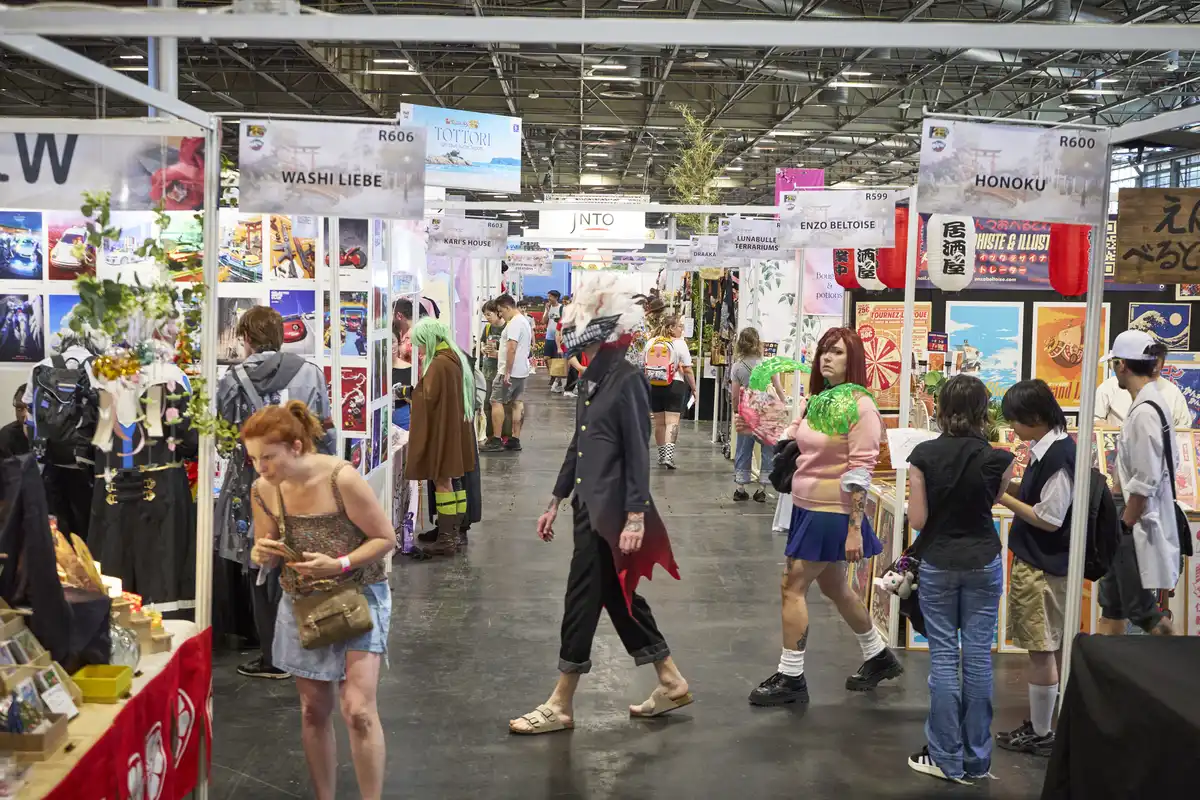
The sales outreach wasn't limited to outside the venue.
At the Japan Expo venue, there are many businesses dealing in Japanese goods in France exhibiting outside the WABI SABI pavilion. It is not only a place to sell products to visitors, but also a place to meet these types of businesses in person. That is the unique environment of a large-scale event dedicated to Japanese culture. Japan Promotion also recommends that exhibiting companies walk around the venue.
Currently, several inquiries are in progress.
"Even if they haven't handled ceramics before, I thought that if it's a shop that loves Japanese culture, we could build a connection by suggesting that these types of plates would sell well."
They also noted a clear difference from the B2B trade shows they had attended in the past.
"I felt that there was less competition at Japan Expo."
Since it isn't a place where business partners naturally congregate, you have to reach out to them one by one. However, because there is less competition, the effort you put in translates directly into new opportunities.
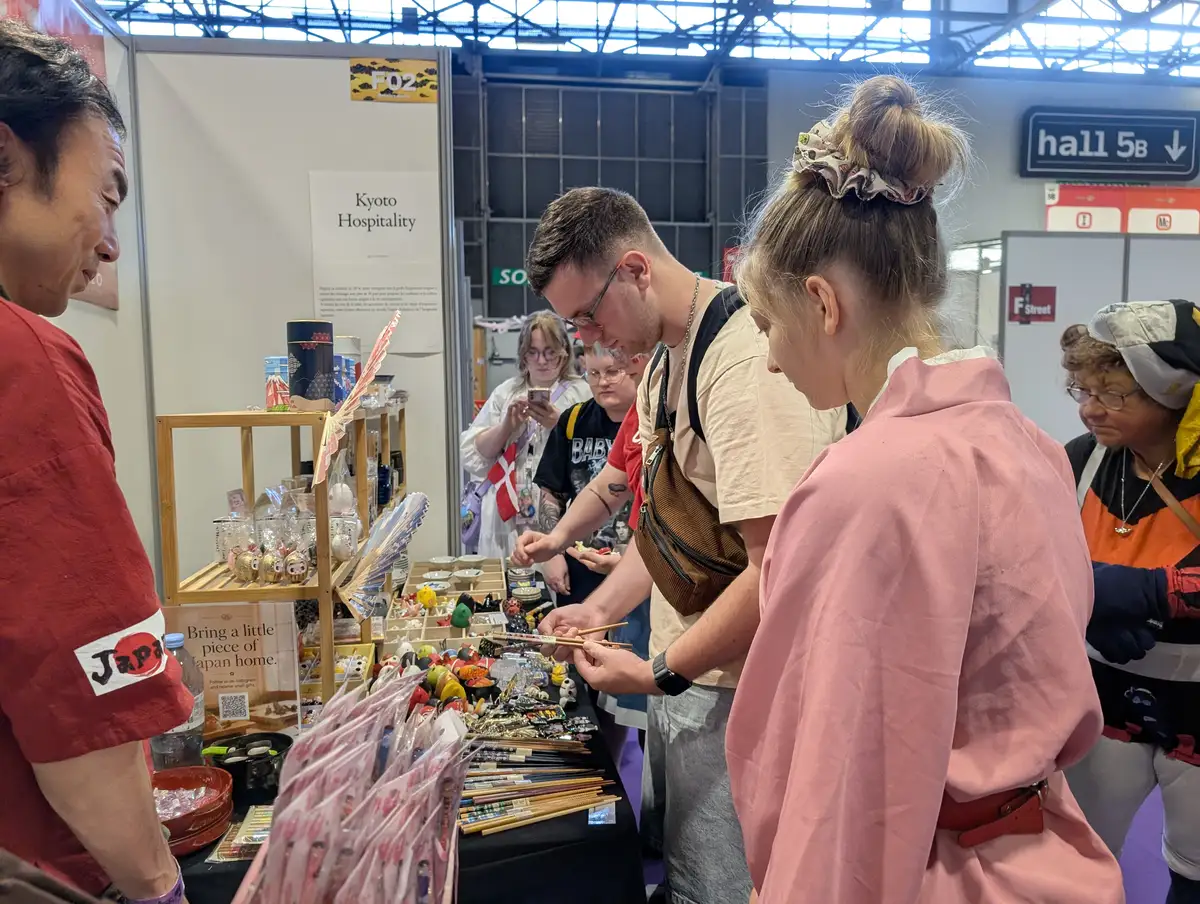
To encourage visitors to stop by their booth, the company offered a gift of chopsticks.
Customers who made a purchase or followed their Instagram account were invited to choose a pair of chopsticks. The goal went beyond simple customer service.
"Everyone spends so much time agonizing over which one to pick. By getting them to stop for as long as possible, we wanted to create a sense of a bustling, popular booth."
A crowded booth naturally attracts more people. Those few dozen seconds spent choosing chopsticks served as the perfect draw.
During the event, their Instagram follower count grew by 200 to 300. However, Mr. Kawachi believes the real results are yet to come.
"There are still areas of our social media management that aren't fully optimized. As for whether we've seen a significant response yet, that's still a work in progress."
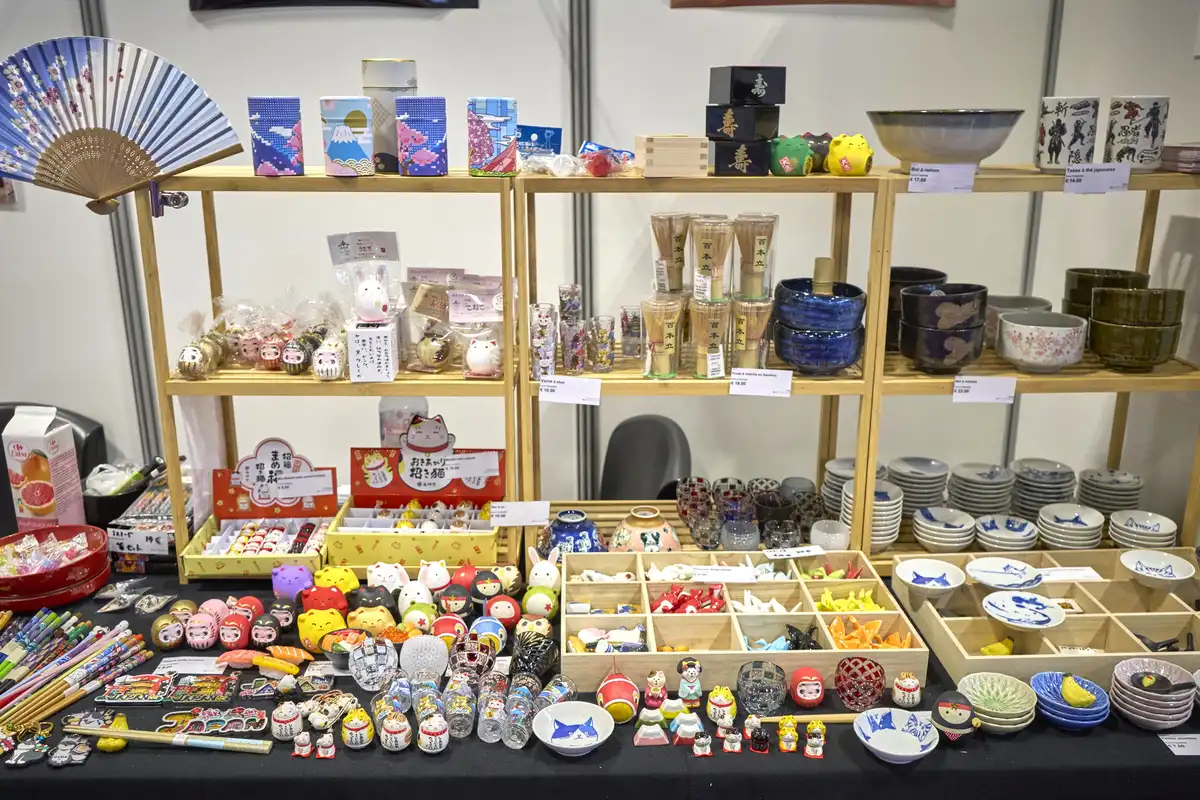
The chopsticks themselves were "surprisingly popular," but the bestsellers at the venue were different from what they had anticipated.
The biggest surprise was the rice bowls. They had assumed these would only appeal to Japanese or Asian customers, but they were the first items to sell out.
"They were the first things to sell, and it wasn't just Asian customers—people from all sorts of countries bought them. It gave me a real sense that there's significant potential for these to sell well."
There were many other gaps between expectations and reality, with some items they thought wouldn't sell moving quickly, while others they had high hopes for didn't perform as expected.
The products that the Japanese team thought would be popular overseas and the items that local customers actually chose were further apart than expected. That gap is something you only see once you're standing on the sales floor.
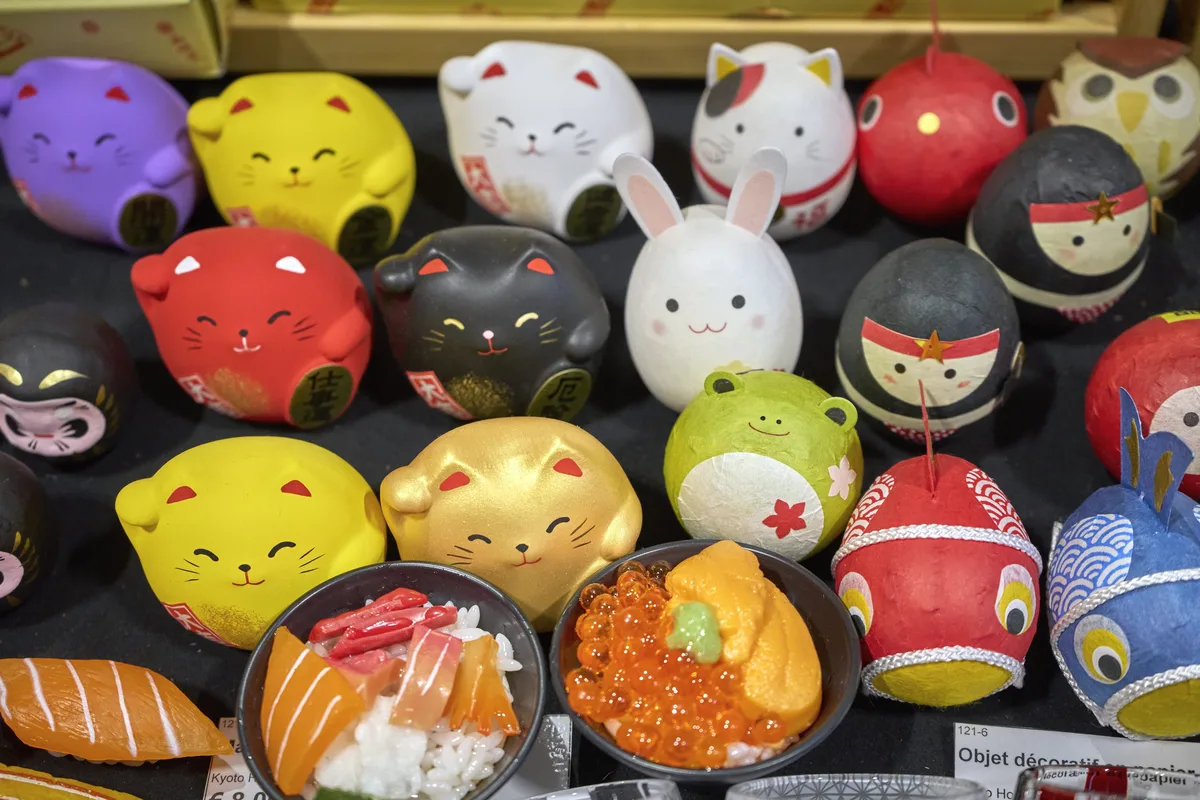
There were also challenges that only became clear because we actually exhibited at the event.
The first was how to transport the products.
This time, four of us transported nine suitcases. Due to weight limits per suitcase, we could only fill about half of each with heavy ceramics. We filled the remaining space with lighter items, like washi paper ornaments.
However, it turned out that the ceramics were the ones that sold well. "Since we'd exceed the weight limit immediately if we only packed ceramics, we used the ornaments as a kind of buffer, but they didn't sell as well as the ceramics... If we exhibit again, I think shipping the goods in advance might be the way to go."
Deciding whether to ship your products in advance or carry them as luggage is a critical point that requires careful consideration, weighing the cost benefits against weight restrictions.
The second point is having a firm grasp of your product pricing.
With such a wide variety of products, keeping track of all the prices became difficult.
"Honestly, I often panicked when it came to pricing. There were so many different items that I’d sometimes just quote a price on the spot. If I could change one thing, I would have been much more organized with my pricing."
It was a "good problem to have," caused by the booth being so busy. That said, if you have a large number of items, it’s much smoother to organize them in a way that is easy for you to reference.
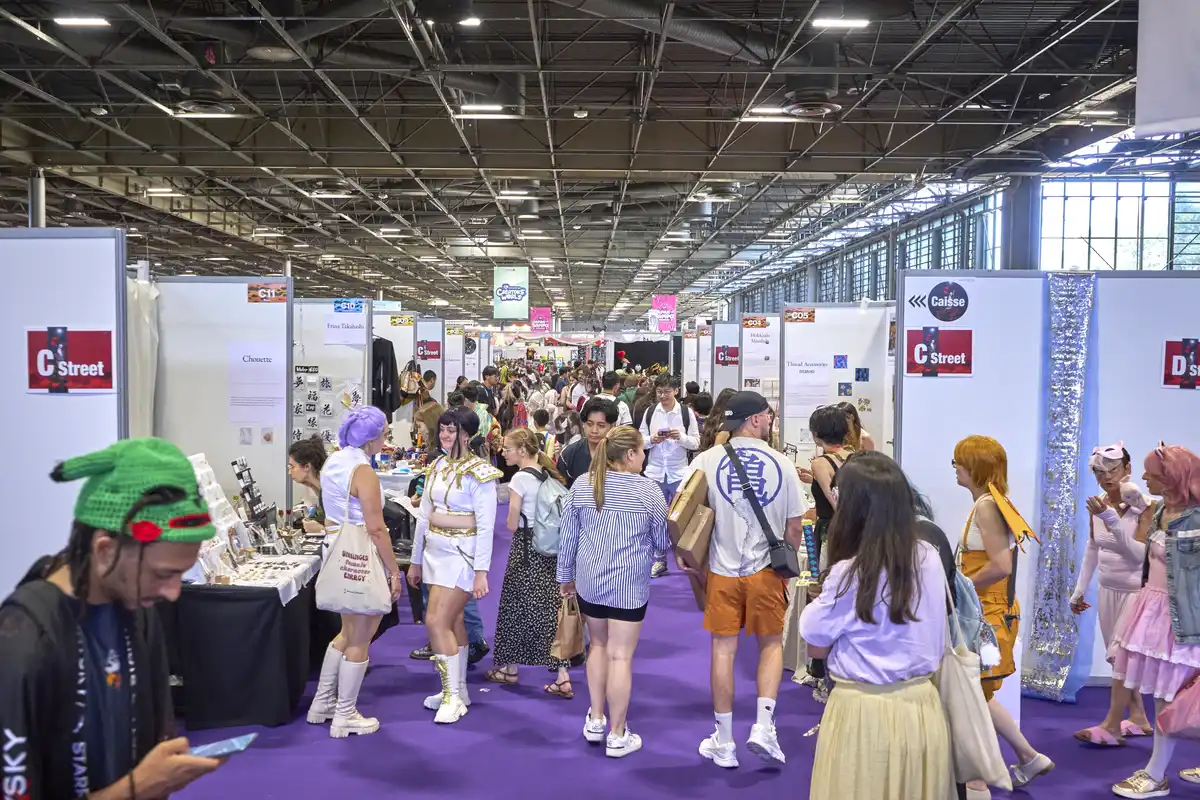
Kawachi summarizes the exhibition experience as follows:
"At the end of the day, the people our B2B clients sell to are individual consumers. I realized that creating products that sell well in a B2C setting first, and then pitching those to B2B partners, might actually be the faster route."
The fact that the products actually sold on-site serves as concrete proof that they have market appeal. Based on the feedback received, the company is now preparing new designs.
"It was a fascinating space—a Japanese cultural exhibit run by French people, loved by French visitors. Seeing how widespread Japanese culture has become made me realize there are still so many possibilities left to explore."
After gathering information, Fuji Merchandise quickly decided to exhibit and made key decisions on the fly throughout the event. Developing overseas sales channels doesn't always require a rigid, long-term plan. Sometimes, the best approach is to show your products to the local market first and let their reactions guide your next steps. This exhibition proved that such an approach is a viable path.
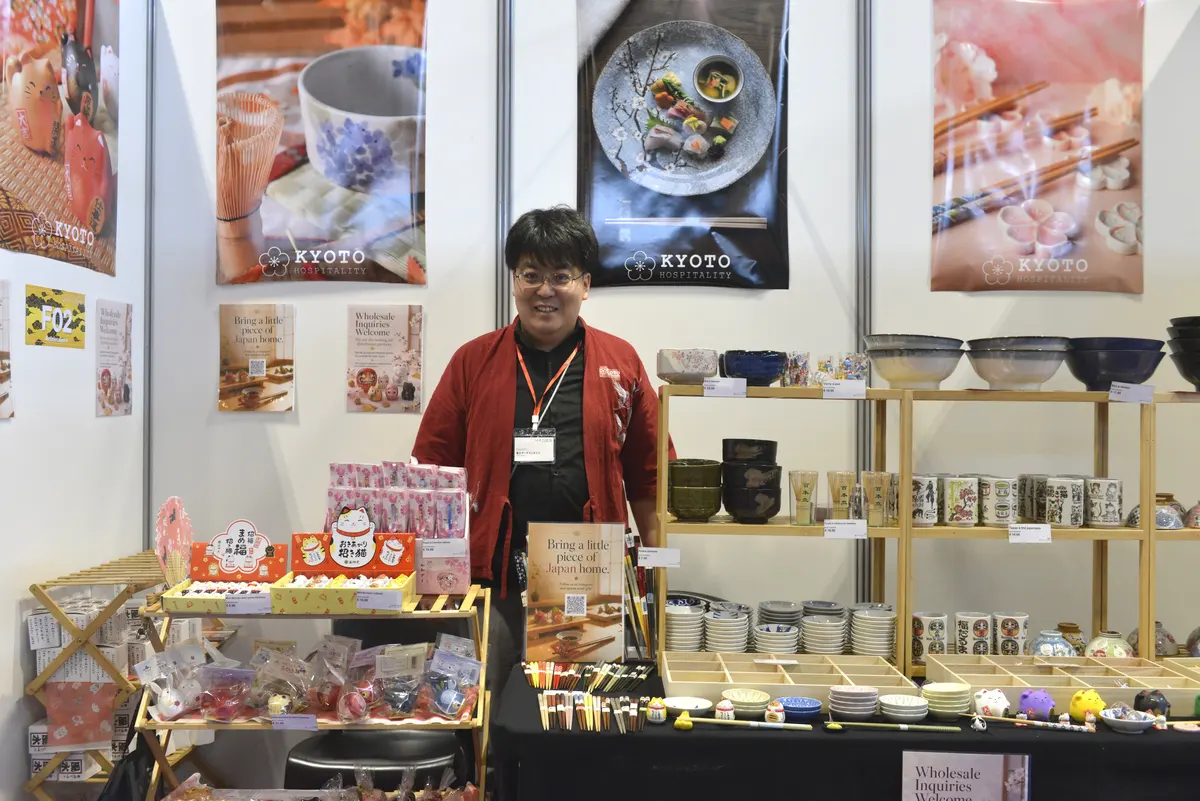
Japan Promotion supports companies looking to expand their sales channels abroad, including through the WABI SABI pavilion at Japan Expo Paris. Please feel free to contact us for any inquiries regarding exhibitions.
Related Articles:Japan Expo Paris [Corporate Exhibition] Case Study 2026




![Japan Expo Paris [Corporate Exhibitor] Success Stories 2026](https://cdn.prod.website-files.com/679a0f0767ddc89953624c39/6a865ca727ba3168f7ace9a4_main1200_675_article413_DSC1221.webp)
![Japan Expo Paris [Artist Exhibition] Support Case Studies 2026](https://cdn.prod.website-files.com/679a0f0767ddc89953624c39/6a87ff8ae266d4dbdaccce45_main_article416__DSC4858.webp)