How to Sell Handmade Goods Internationally: Expanding Your Sales Channels, Managing Risks, and 5 Tips for Success
Published date:
2026-09-02
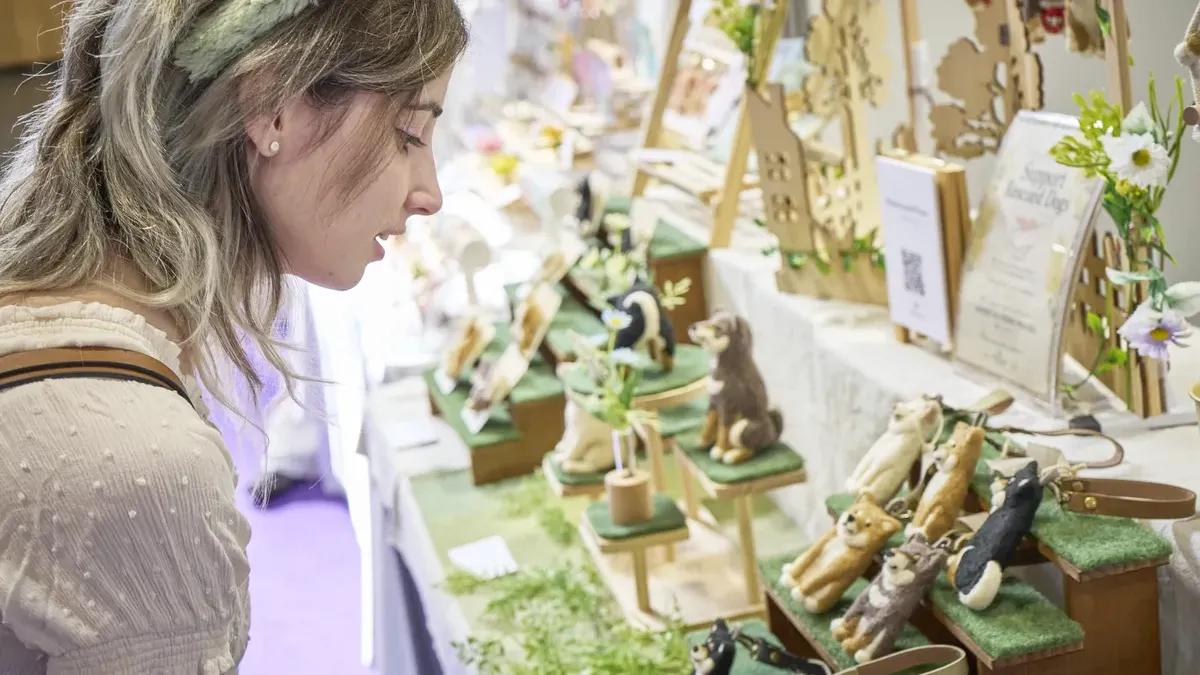
"I've noticed more international followers on my social media," or "I've had people from abroad ask if they can buy my work."
Many handmade artists start thinking about selling internationally after experiences like these.
When you start looking into it, you might find yourself overwhelmed by the options—like Etsy, minne, or Creema—and wonder which one to choose, or if the language barrier and shipping logistics will be too difficult. You may have even come across claims that "Etsy is dangerous," which can be unsettling.
In this article, we will compare the features of various ways to sell your handmade goods internationally. We’ll also cover keys to success, potential risks, and an alternative to online marketplaces: exhibiting at international trade shows. Use this guide to help you decide which approach is right for you.
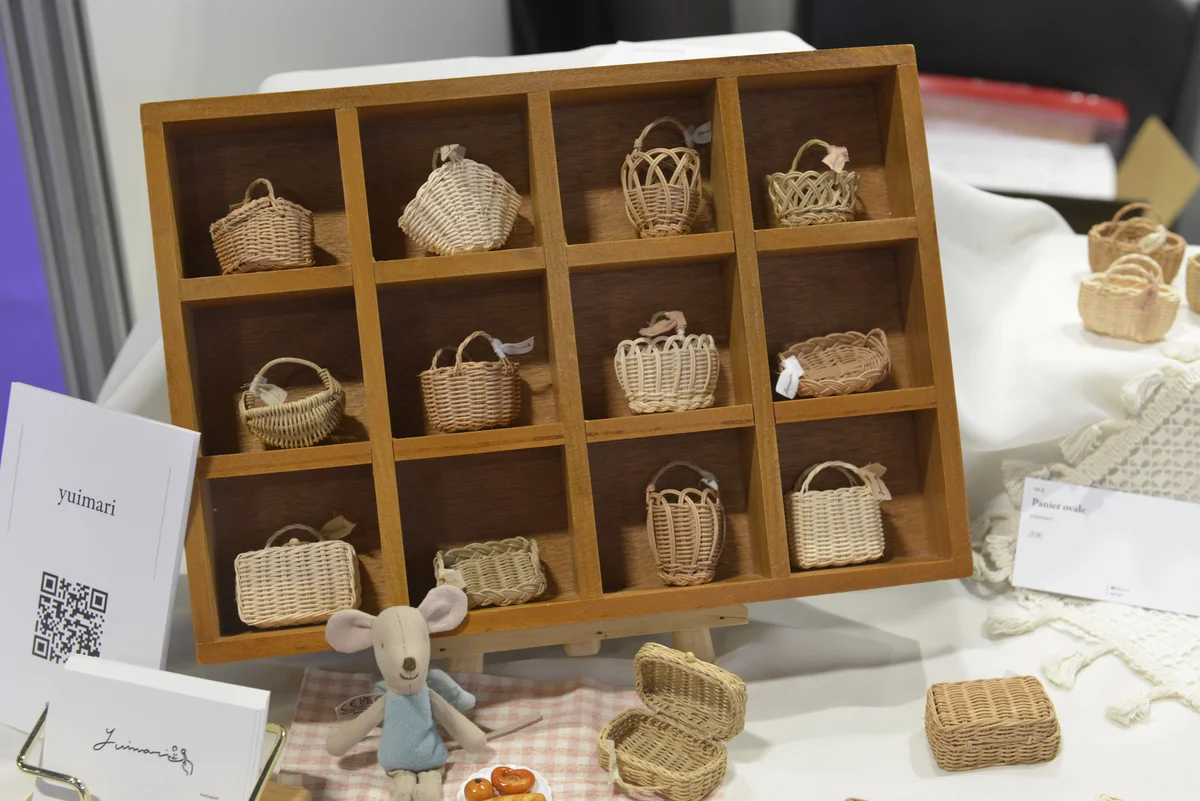
Selling handmade goods internationally is possible for anyone with the right knowledge and preparation.
The door is open regardless of your genre; whether or not you succeed depends on your "how-to"—your product creation, presentation, and shipping methods—just as it does with domestic sales.
However, please note that items made from animal or plant-derived materials (such as ivory, tortoiseshell, or certain furs), as well as food and cosmetics, may be subject to import/export regulations. It is best to check these in advance if your work falls into these categories.
Selling handmade goods internationally offers the following benefits:
The international handmade market is growing every year, and Japanese craftsmanship is highly regarded abroad for its attention to detail.
Furthermore, due to the weak yen, Japanese products are currently at a price point that is more accessible for international customers.
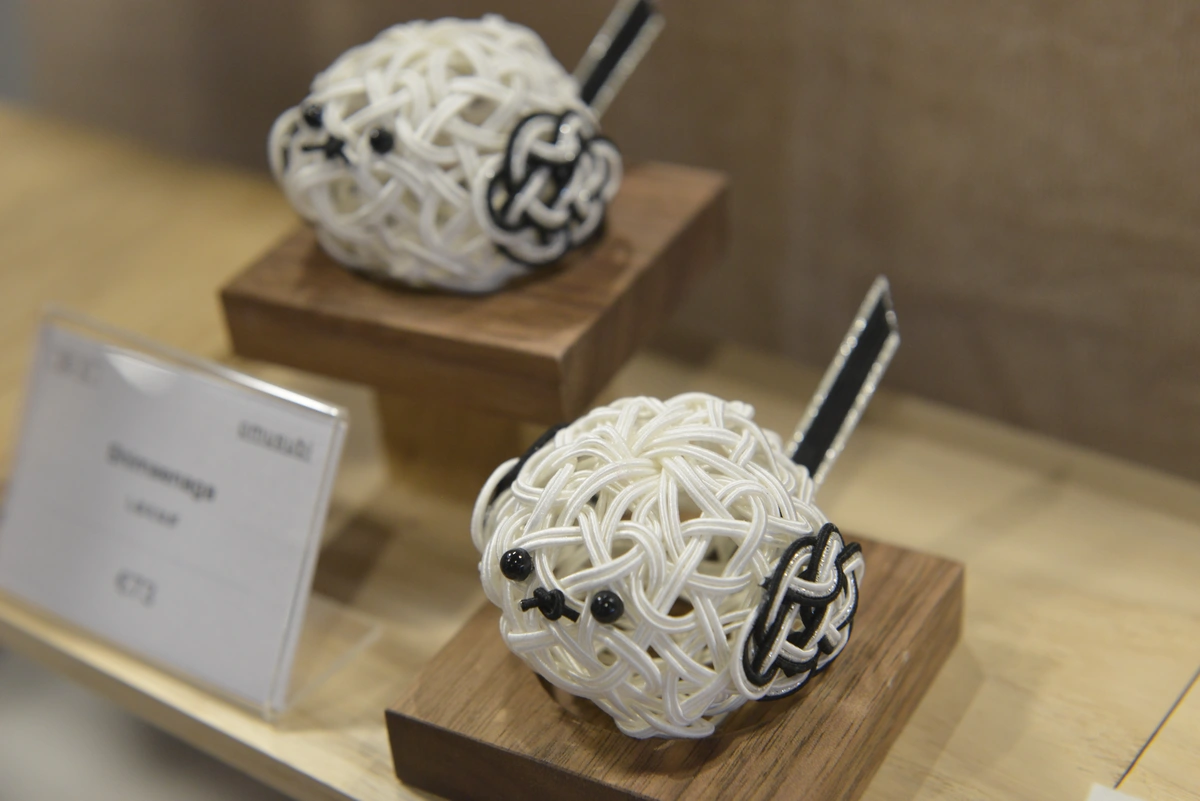
There are two primary ways to sell your handmade goods internationally while living in Japan:
The first method is to sell your products using the types of websites mentioned earlier.
These sites can be categorized as follows:
This involves listing your products on platforms based overseas.
Because these sites are used daily by international users, their high traffic-generating potential is a major advantage.
Prominent examples include Etsy and Pinkoi, which are relatively easy to start with and well-suited for those new to international sales.
Note that while Amazon Handmade is also an international marketplace, selling from Japan requires opening a U.S. Amazon seller account and handling operations primarily in English. Therefore, it is not recommended for beginners and is better suited for those comfortable working in English.
These are domestic services that also support international sales.
They offer the convenience of being an extension of the services you already use, making them easy to adopt even for those primarily focused on domestic sales.
This category includes existing domestic services that have added cross-border support, such as minne and Creema, as well as services centered on international sales agency, like Craft Town.
This method involves building your own e-commerce site and driving traffic through social media.
Since you can freely express your brand's unique world, this approach is ideal for those looking to build a brand over the long term.
Shopify and BASE’s "Easy International Sales" feature are prime examples. Sales are often triggered by traffic from followers on platforms like Instagram, so the key is to manage your shop in tandem with your social media presence.
Another way to sell handmade goods internationally is to deliver them through local sales channels. The most common approach is exhibiting at overseas trade shows or events (details to follow).
Additionally, though less common, some creators deliver products overseas through consignment or wholesale. This can involve consigning or wholesaling products directly to overseas shops or buyers, or working with international sales agencies that introduce you to specific consignment or wholesale partners.
When you think of selling handmade goods internationally, many people likely think of online sales first.
Here, we have summarized the features of the leading services.
*Information current as of August 2026. *Please check each company's official website for details and fees.

It is not uncommon for people to start selling on international sites only to struggle with generating sales. Here are five tips to help you succeed.
International customers rely heavily on visual information, so be sure to provide multiple photos that clearly convey the texture and scale of your work.
Maintaining a consistent aesthetic in your photography will also help communicate your brand identity more effectively.
Adding the story behind your work or the background of its creation can resonate deeply with international customers.
Note that language support varies by service; some, like Etsy, recommend English listings, while others, like Pinkoi or minne, allow you to manage listings in Japanese via translation features or agency services.
Rather than simply applying domestic market rates, you need to set prices that account for fees, shipping costs, and exchange rates.
Pricing your items too low can sometimes lead to concerns about quality.
Social media is essential for building connections with international fans.
Sharing your creative process and feedback from abroad helps turn followers into loyal fans.
Since shipping costs and delivery times vary depending on the method, it is best to have this information organized in advance.
Customs duties are generally the responsibility of the buyer, so clearly stating this on your product page can help prevent disputes.
Selling internationally has its downsides and risks that you should be aware of in advance, not just its benefits. Here, we explain the general disadvantages of international sales and the frequently searched topic of "Etsy's dangers" in detail from the perspectives of both buyers and sellers.
Selling handmade goods internationally comes with the following disadvantages:
As you can see, international selling has its challenges that require preparation. In particular, for Etsy, one of the most well-known international marketplaces, it is helpful to be aware of the following risks.
Even if you are selling as an artist, understanding the concerns buyers may have will help you provide reassurance through your product pages and customer service.
In particular, letting buyers know that the official URL is "etsy.com" and clearly stating your return and refund policy can help reduce their anxiety.
Etsy sales are managed in US dollars and converted to Japanese yen upon receipt, meaning the final amount you receive will fluctuate based on exchange rates.
Additionally, there was a period when new shops from Japan could not be opened due to adjustments in the "Etsy Payments" system (new shop registrations resumed in November 2023).
As a massive platform with sellers from all over the world, price competition with similar products is common, and there is also a risk that popular items may be imitated.
Earlier, we touched on the option of "delivering through local sales channels" as the second method for overseas sales. Here, we will introduce one of the most prominent examples: exhibiting at overseas trade shows and exhibitions.
While online sales offer the appeal of a low barrier to entry, many creators feel the frustration of "only being able to convey value through a screen to someone they cannot see." By exhibiting at an overseas trade show, you can meet local fans in person.
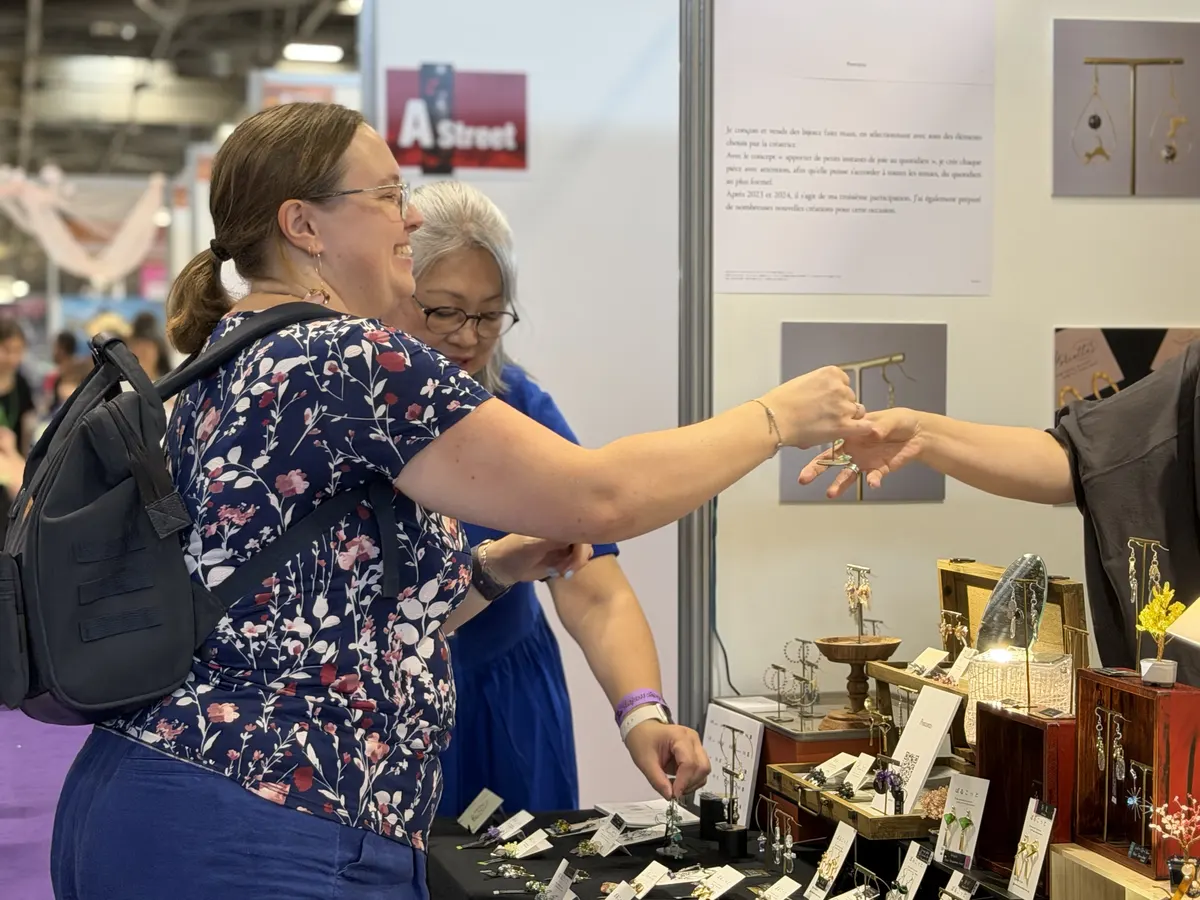
The benefits of overseas sales mentioned earlier are even more pronounced in face-to-face interactions.
Furthermore, you can expect secondary benefits such as conducting test marketing abroad and creating opportunities for social media exposure or media coverage.

A prime example of this is one of Europe's largest Japanese culture events, "Japan Expo Paris."
Marking its 25th anniversary in 2026, the event is held over four days in July at the Paris-Nord Villepinte Exhibition Center (covering approximately 140,000 square meters). It typically attracts over 200,000 visitors each year.
The "WABI SABI" pavilion is the only official area dedicated to traditional Japanese culture and handmade crafts. Since its inception in 2011, it has seen consistent growth in attendance, with over 110,000 visitors exploring its 1,500-square-meter space. In 2026, the pavilion will feature 103 retail and workshop booths along with 26 stage performers, showcasing Japanese creators across a wide range of fields, including traditional crafts, handmade goods, art, and culinary culture.
Exhibiting at Japan Expo is particularly recommended for those who:
Japan Promotion serves as the official representative for WABI SABI, providing comprehensive, one-stop support that includes product selection, booth design advice, French translation, logistics management, and on-site setup and sales assistance. We also offer proxy exhibition and consignment services for those who cannot travel to France, making it easy to participate even if traveling abroad feels like a hurdle.
With the right knowledge and preparation, anyone can succeed in selling handmade goods internationally.
There are many ways to get started, from international marketplaces like Etsy and Pinkoi, to cross-border services like minne and Creema, or by launching your own online store using platforms like Shopify or BASE.
We recommend starting with the platform that best fits your style and working at a pace that feels comfortable for you.
However, there are certain aspects of your work that can only be fully conveyed in person, beyond what an online store can offer.
Once you have gained some traction, why not consider exhibiting at an international trade show to meet your fans abroad in person?
The WABI SABI pavilion at Japan Expo Paris provides end-to-end support, from your initial consultation to assistance on the day of the event. If you are ready to take the next step in your international expansion, please feel free to contact us.
For a free consultation,Click here ▶





![[iPhone Compatible] A Step-by-Step Guide to Using and Purchasing Tickets on the Navigo App (Île-de-France Mobilités)](https://cdn.prod.website-files.com/679a0f0767ddc89953624c39/6abccdf0241805aeaf4c7441_Article419_IMG_8374_1200_675.webp)
![[Case Study] How saying "We exhibit at Japan Expo" opened doors for international business negotiations | Fuji Merchandise](https://cdn.prod.website-files.com/679a0f0767ddc89953624c39/6aa36cc9084a256532a3ed1e_Article418__DSC2778_1200_675.webp)