What is Japonism (Japonism)? Enthusiasm for Japan that has continued since 150 years ago and the handiwork that will cause the next wave
Published date:
2026-05-14
Have you heard the term “Japonism”? The “beauty of Japan,” which changed Van Gogh and Monet, continues to live on around the world even now.
The matcha boom, the Kintsugi counterfeit riots, and Japanese products lined up in stationery stores. Along with the realistic perspectives of European staff, we will decipher modern Japonism. Your work may set off the next wave.
Japonism (Japonism) originated in Europe starting with France in the latter half of the 19th century“Japanese hobby”It's a word that indicates the big craze.
Ukiyo-e, lacquerware, ceramics, etc. flowed in from Japan, which lifted national isolation, and Western geniuses such as Van Gogh, Monet, Klimt, and Debussy were strongly inspired by their methods of expression. The birth of Impressionism and the development of Art Nouveau — a major turning point in Western modern art, Japanese handiwork and aesthetic sense were deeply involved.
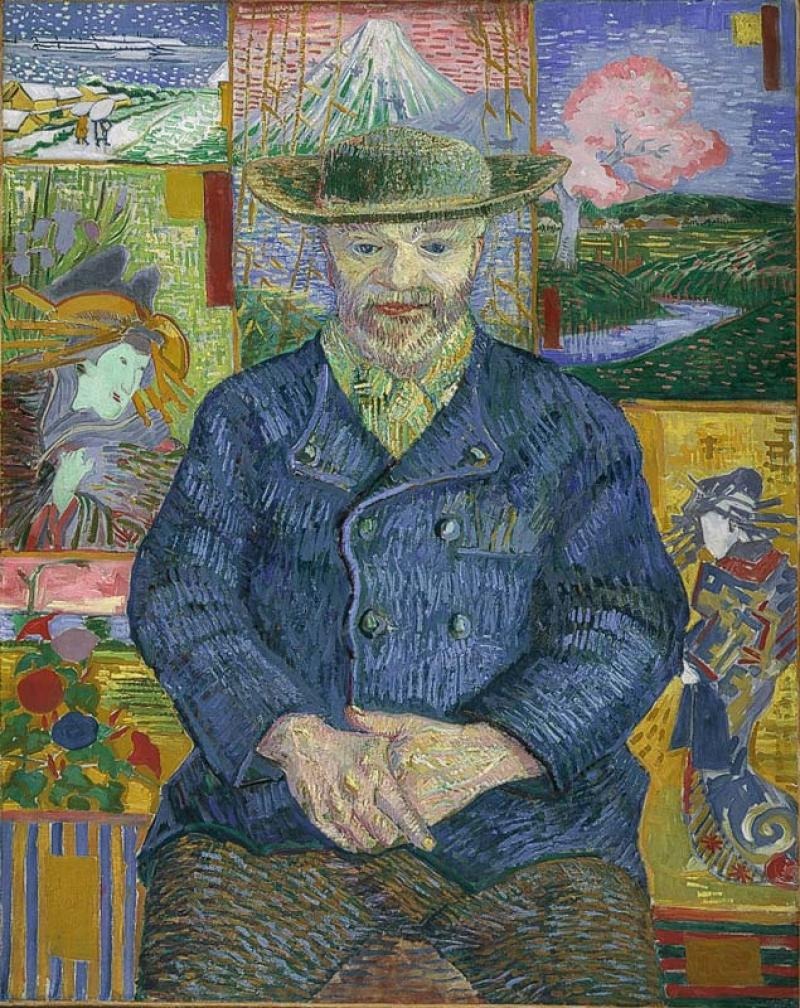
Van Gogh reproduced this Hiroshige's work almost as it was in oil painting. “When I look at Japanese prints, I feel clear and calm like a philosopher,” she wrote in her letter.

Which is correct, “Japonism” or “Japonism”? Actually, both statements are correct. It's the same Japonism, but it's pronounced “Japonism” in English familiar to Japanese people, and “Japonism” in French, the birthplace of this movement. The meaning is the same.
The influence of Japonism has left a definite mark on 19th-century European masterpieces.
In contrast to traditional Western paintings, where shadows are often written, Ukiyo-e, which has a flat structure, was reflected in my eyes as a possibility for a new method of expression. In particular, in Monet's famous series of works “Water Lilies,” they are freed from perspective, and only the motifs the artist wants to draw are taken from the scenery and drawn, and you can feel the influence of Ukiyo-e's unique expressions.
Also, Ukiyo-e's use of flat colors and clear outlines had a big impact on poster works that flourished in Art Nouveau, and motifs such as flowers and insects that adorned the screen in many Ukiyo-e were patterned and used as decorations in Art Nouveau.
Meanwhile, “Japonezry (or Japonnerie),” where you can simply enjoy Japanese things as an exotic feeling, has also become popular.
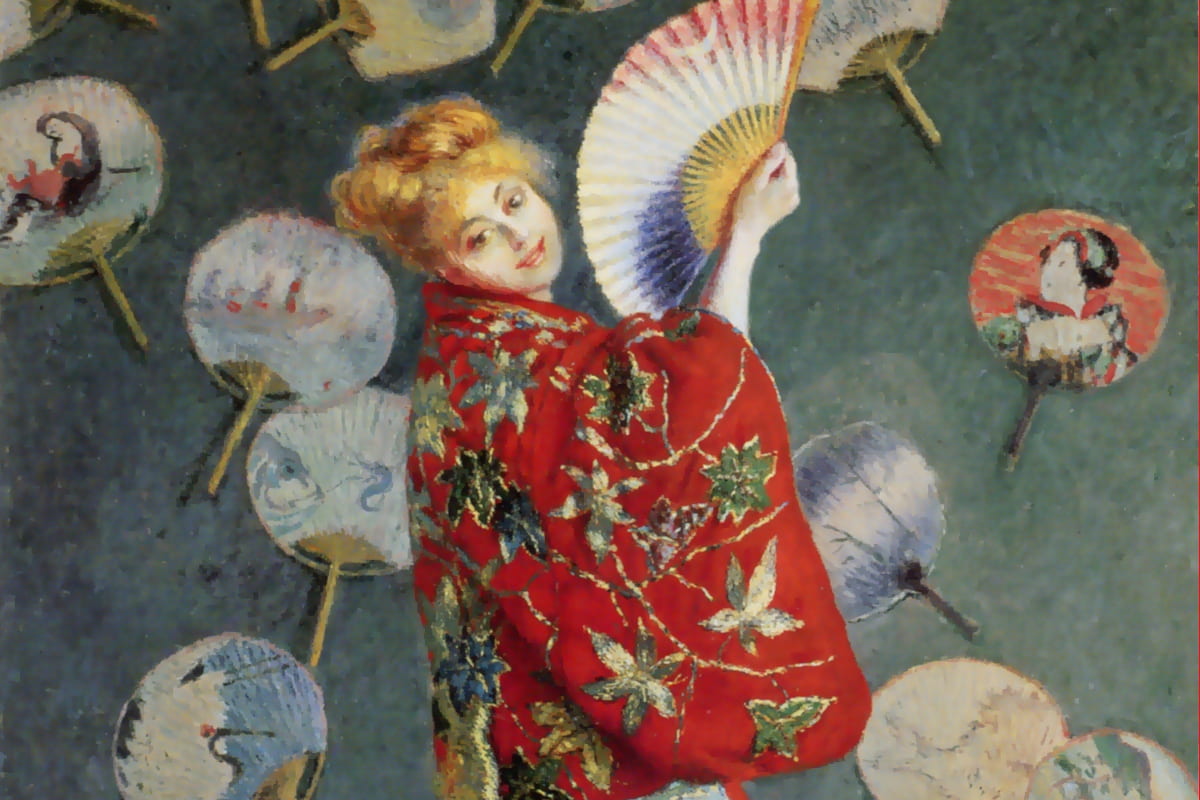
“La Japonese,” which depicts Monet's wife wearing a kimono, is typical of this, and the title at the time of exhibition was “Japonerie.” It is a work that Monet himself positioned as Japonezerie.

.jpg)
It wasn't until much later that Japanese people, who thought of Hokusai's Ukiyo-e as “commonplace,” learned that Van Gogh copied it and received strong inspiration.
The receiver finds what the sender is unaware of. This is a structure that hasn't changed since the Japonism era.
That structure continues quietly even in France today. I would like to introduce the modern “Japanese fever” that our staff in France met in the city.
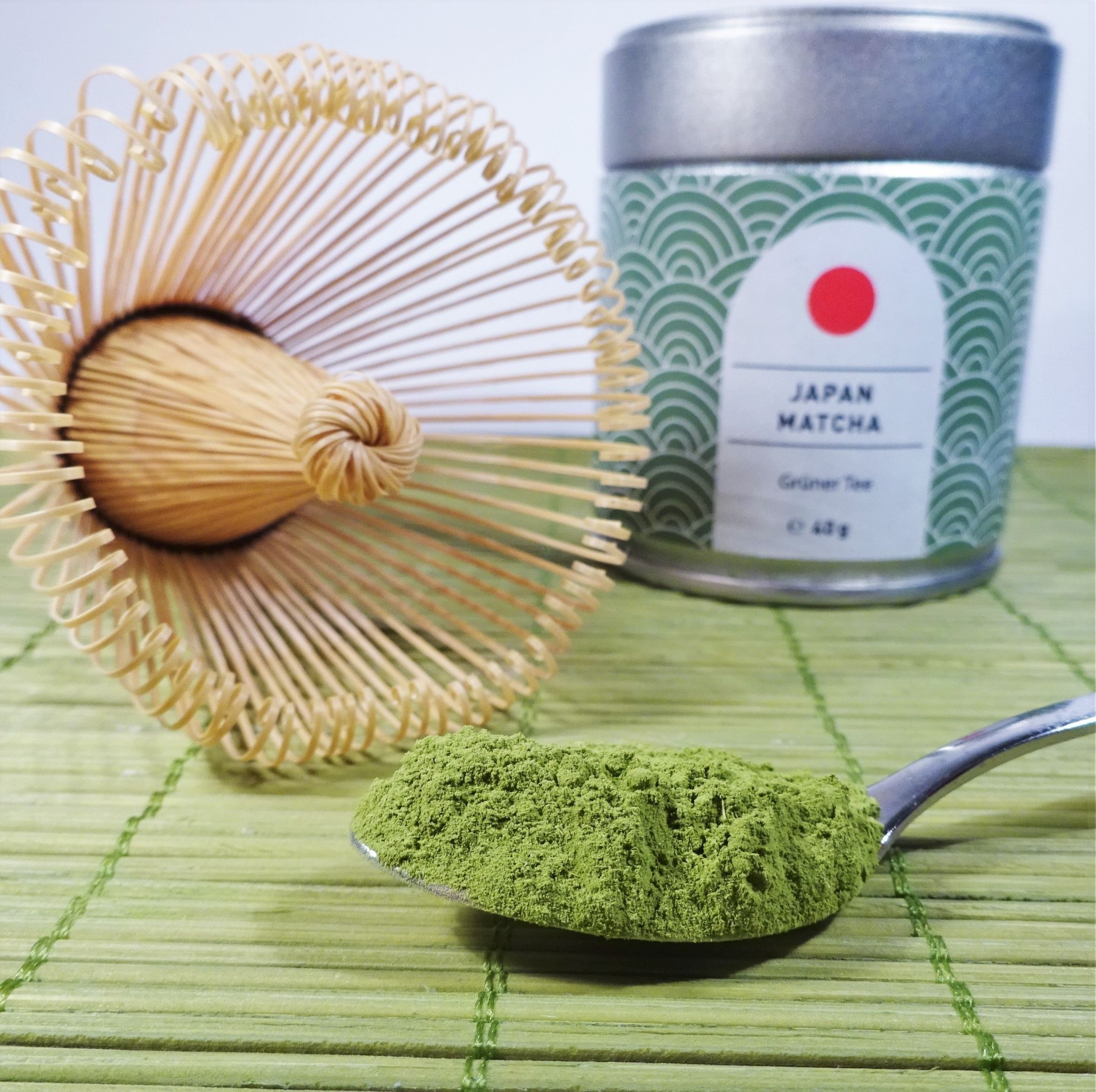
An easy-to-understand example is “matcha.” It has always been a familiar presence in Japan, but an explosive boom has occurred overseas over the past few years.
Since around 2006, it has been established as a staple menu at Starbucks overseas. Japan's green tea exports in 2024 recorded a record high of approximately 36.4 billion yen*, up 24% from the previous year. Even on Instagram and TikTok, “#matcha」関連タグの投稿が世界中で拡散中です。 *Source:Ministry of Agriculture, Forestry and Fisheries
When you're in Japan, you might feel that “matcha has been around for a long time.” However, if you look at it from the side where it arrived, it is perceived as a special drink that is healthy, stylish, and somewhat mysterious.
If you take a look at “cute stationery stores” in Europe, nearly half of the products are made in Japan! This is a scene that staff in Europe actually saw.
When you're in Japan, many people may have the image that “there are lots of fashionable stationery overseas.” However, in reality, there are very few, and what European stationery lovers are eagerly searching for are mechanical pencils and masking tape casually made by Japanese manufacturers.
From the creator's point of view, it's a “normal product,” and on the receiving side, “there is nothing else that is so easy to use and beautiful.”
The same goes for Kintsugi. The Japanese technique of repairing broken vessels with lacquer and gold powder has been enthusiastically accepted overseas as a “philosophy that turns wounds into beauty.”
Its popularity has already given rise to another problem.
Kintsugi is originally a technique for saving broken vessels. However, overseas influencers have gone out of their way to break vessels with hammers and disseminate “Nancha Te Kanetsugi,” which does not use lacquer or original procedures. The only name “Kintsugi” is walking around alone, and it has become a business.
This isn't just about Kintsugi. As it becomes popular, “Japanese culture,” which is not accurate, spreads around the world. That's the reality right now.

The fact that counterfeit products are on the market also means that there is such a demand for the real thing.
Japanese handicrafts have an authentic sense of beauty that has been refined over a long period of time.
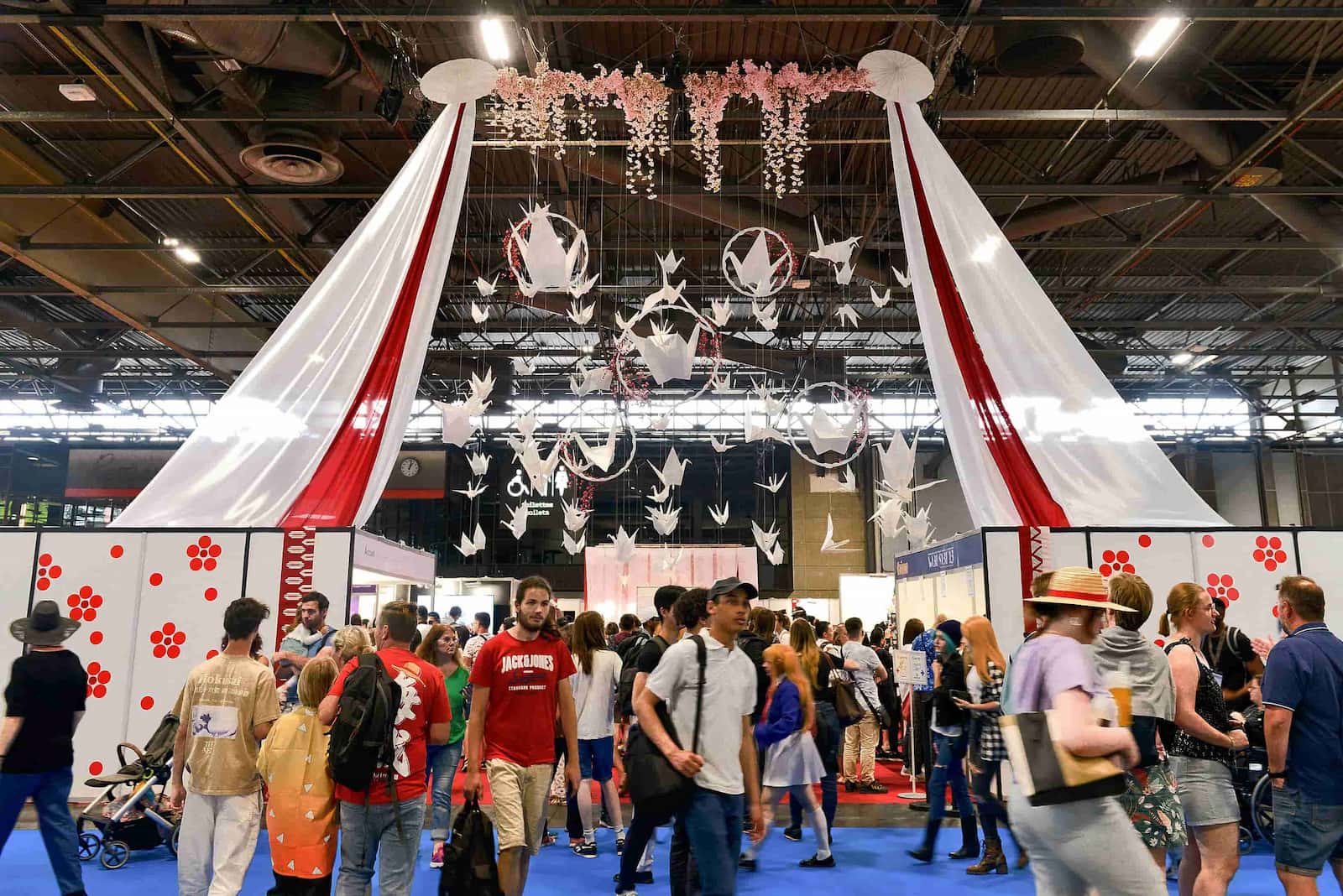
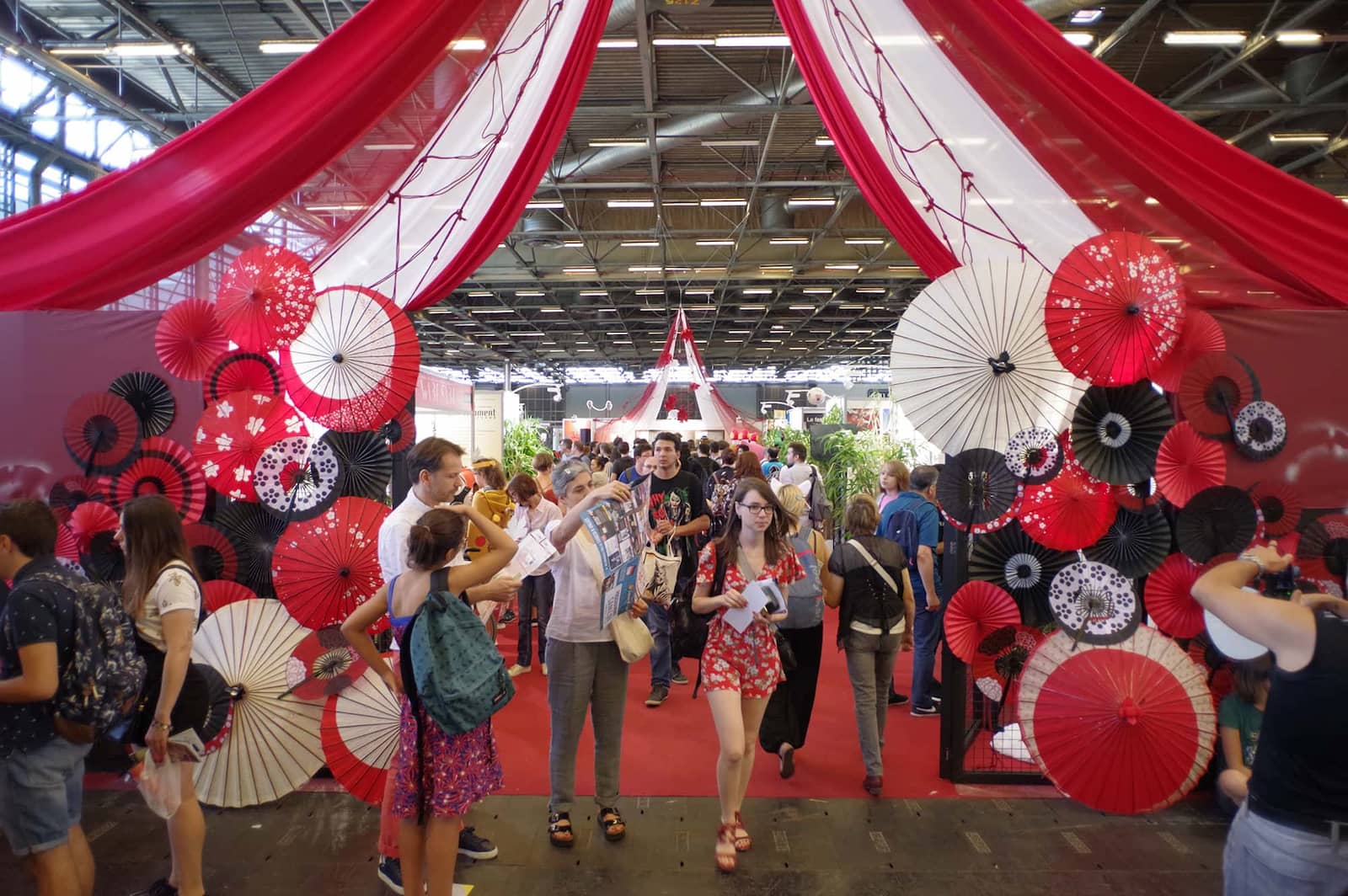
And there are certainly people in Europe who are now looking for the real thing. Japan Expo Parisis held in Paris every year, and is the largest Japanese cultural event in Europe visited by approximately 250,000 people.
Fans who are deeply in love with Japanese culture gather. They are people who want to experience authentic Japanese culture in the birthplace of Japonism.
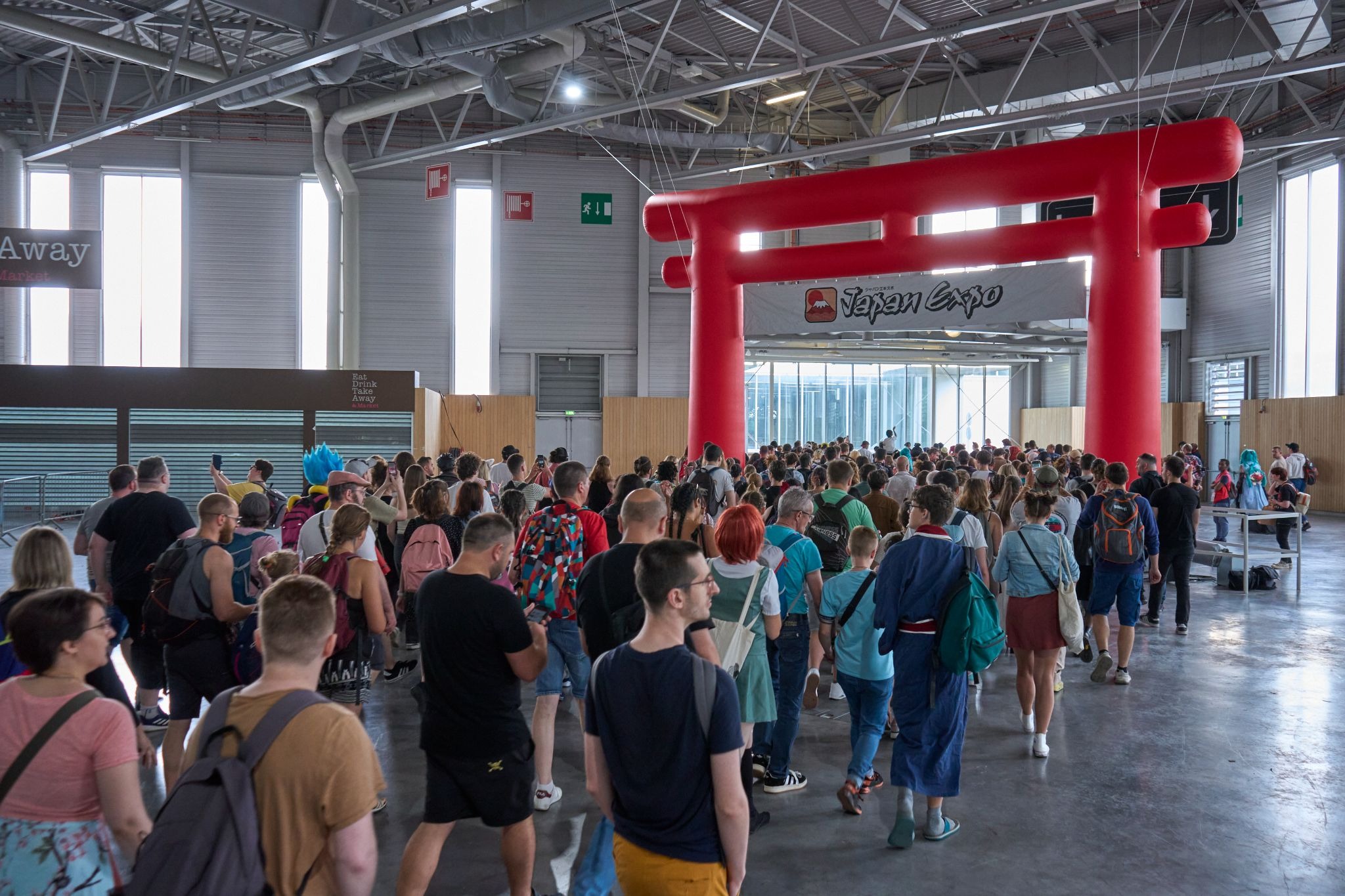
Hosted by Japan PromotionWABI SABI PAVILIONis a place where you can directly deliver your work and technology to such people.
This year's theme is “Japonism.” The concept is to deliver the beauty of Japan, which changed the West 150 years ago, as an authentic one, using modern handicrafts.
Japan Expo Paris 2026 is actually the 25th anniversary milestone year.
The “Japonism” we advocated for this memorable year is not a reenactment of past movements. That is the value that the world is now finding in JapanredefinitionThat's it.
After an era where mass production and homogenization progressed, people are once again looking for “individuals” and “stories.” Beauty in harmony with nature, traces of handwork, and simplicity. They surprisingly overlap with the spirit that captivated Europe in the 19th century.
This year, the 25th anniversary of the Japan Expo, we would like to connect the origin and future of Japanese culture and present a place to create the next Japonism. From the WABI SABI pavilion, the image of Japan in a new era will be conveyed to the world. That's the thought I put into this year's theme.
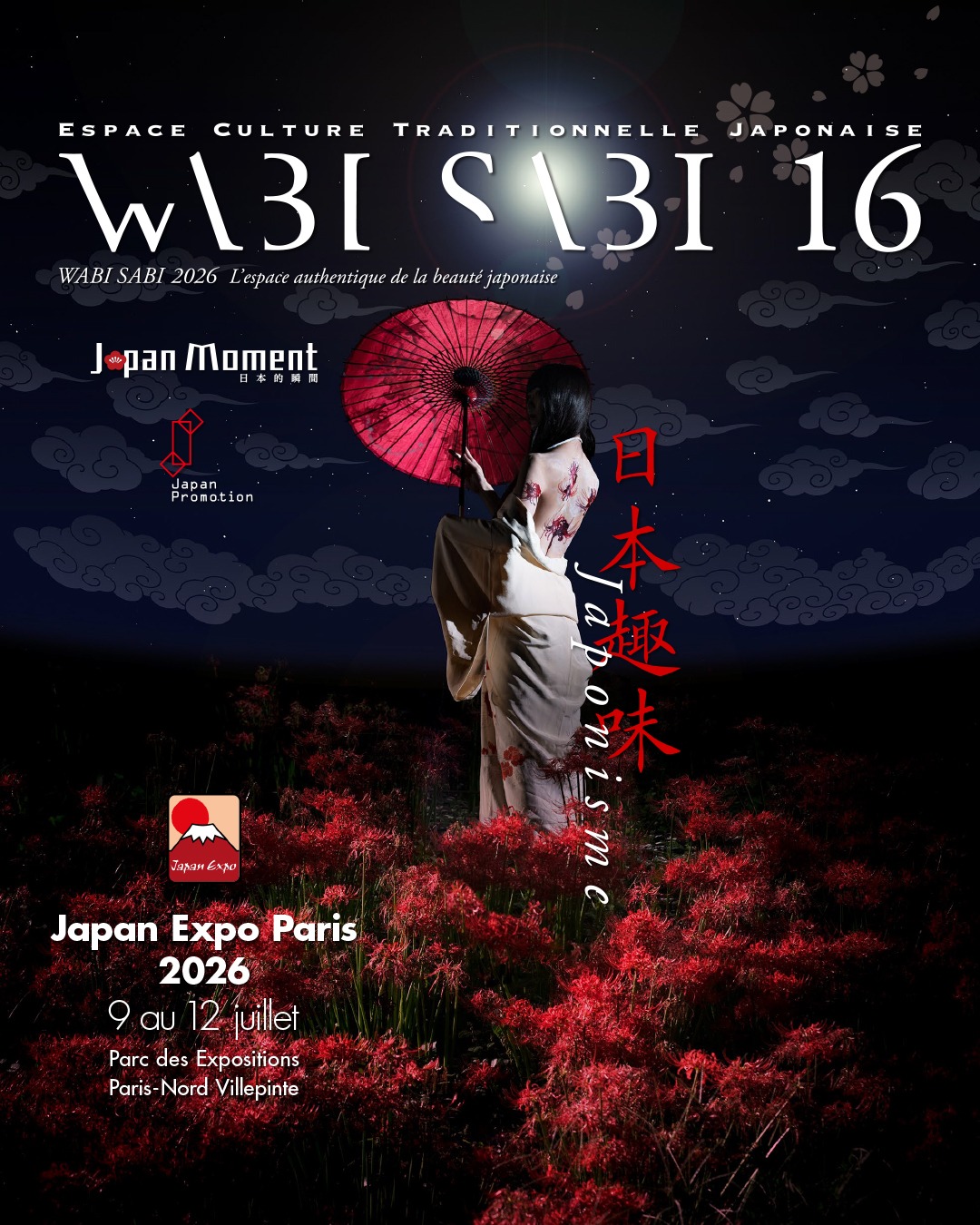
Related articles:Japan Expo Paris 2026 Overview | WABI SABI's theme for the 25th anniversary is “Japonism”
“I don't know if my work will work overseas”
Those who feel that way may actually be more suited to exhibiting.
Even in the Japonism era, Ukiyo-e artists didn't think they were “changing the world.” I was just being careful and doing my job. The side that received it found value.
The techniques and sense of beauty that you have refined over the years can take on a completely different sparkle the moment you step outside of Japan.
Why don't you take that step first?
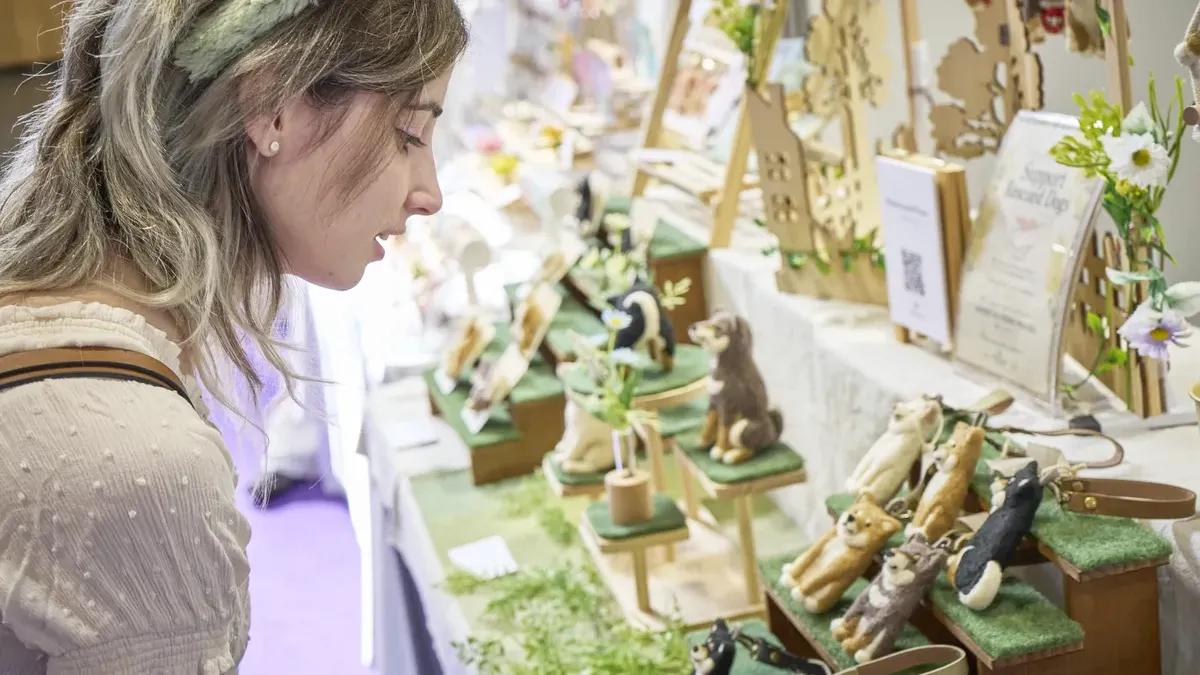
Please feel free to ask about exhibiting at overseas exhibitions such as the Japan Expo”inquiryPlease contact us from”.




![Japan Expo Paris [Corporate Exhibitor] Success Stories 2026](https://cdn.prod.website-files.com/679a0f0767ddc89953624c39/6a865ca727ba3168f7ace9a4_main1200_675_article413_DSC1221.webp)
![Japan Expo Paris [Artist Exhibition] Support Case Studies 2026](https://cdn.prod.website-files.com/679a0f0767ddc89953624c39/6a87ff8ae266d4dbdaccce45_main_article416__DSC4858.webp)


