The Potential and Challenges of Japanese Traditional Crafts ── Interview with German Researchers [Part 2]
Published date:
2026-04-02
![The Potential and Challenges of Japanese Traditional Crafts ── Interview with German Researchers [Part 2]](https://cdn.prod.website-files.com/679a0f0767ddc89953624c39/69c10c91f30349f0669ab54c_image5.jpg)
In [Part 1], we reported on Japan Promotion representative Ikushima's discussion of the mechanisms and support for overseas expansion.
In this [Part 2], we shed light on the opposite perspective. We asked two German researchers, funded by the German Research Foundation (DFG) and conducting research on the overseas marketing of Japanese crafts and the role of intermediaries, how things appear from the European "buyer's and observer's" point of view.
(Left) Harald Conrad. Professor at the University of Düsseldorf (Cultural and Craft Studies). Responsible for Kyoto's Nishijin-ori textiles.
(Right) Hendrik Meyer-Ohle. Professor in the Department of International Business at Meiji Gakuin University (Marketing and Retail). Participates in the project from an international marketing perspective.
── Please tell us what prompted your research.
Professor Conrad:I've had a strong interest in Japanese art and antiques since my student days, and I've been collecting various items for over 20 years. Since I loved Japanese crafts as a hobby, I always hoped to connect my work with my passion someday, and that led to this research project.
Currently, with funding from the German Research Foundation (DFG), we are conducting research comparing three production regions.
I am responsible for Nishijin-ori textiles in Kyoto, and one of our project members is currently researching the region of Imadate, Echizen City, Fukui Prefecture, a production area for Echizen Washi paper. Another member is studying Seto-yaki and Tokoname-yaki pottery around Nagoya. The goal is to compare these production areas and understand their commonalities and differences.
Professor Meyer-Ohle: I've also traveled extensively throughout Japan as a hobby. I've visited every prefecture, and my main purpose has always been to tour pottery production areas. My specialization is marketing and retail, and having lived in Singapore for a long time, I've maintained an interest in Japanese craftsmanship within the context of international marketing. Professor Conrad and I successfully collaborated on a previous research project, so we decided to work together again, choosing "Overseas Marketing of Japanese Crafts and the Role of Intermediaries" as our theme this time.
── We hear Professor Conrad even visited Hagi and Bizen during his student days.
Professor Conrad: That's right. Even when I could barely speak Japanese, I used to go all the way to Hagi and Bizen to buy Hagi tea bowls (laughs).
As they discussed their research motivations, the two exchanged smiles, saying, "Ultimately, the biggest reason is simply that we love it."
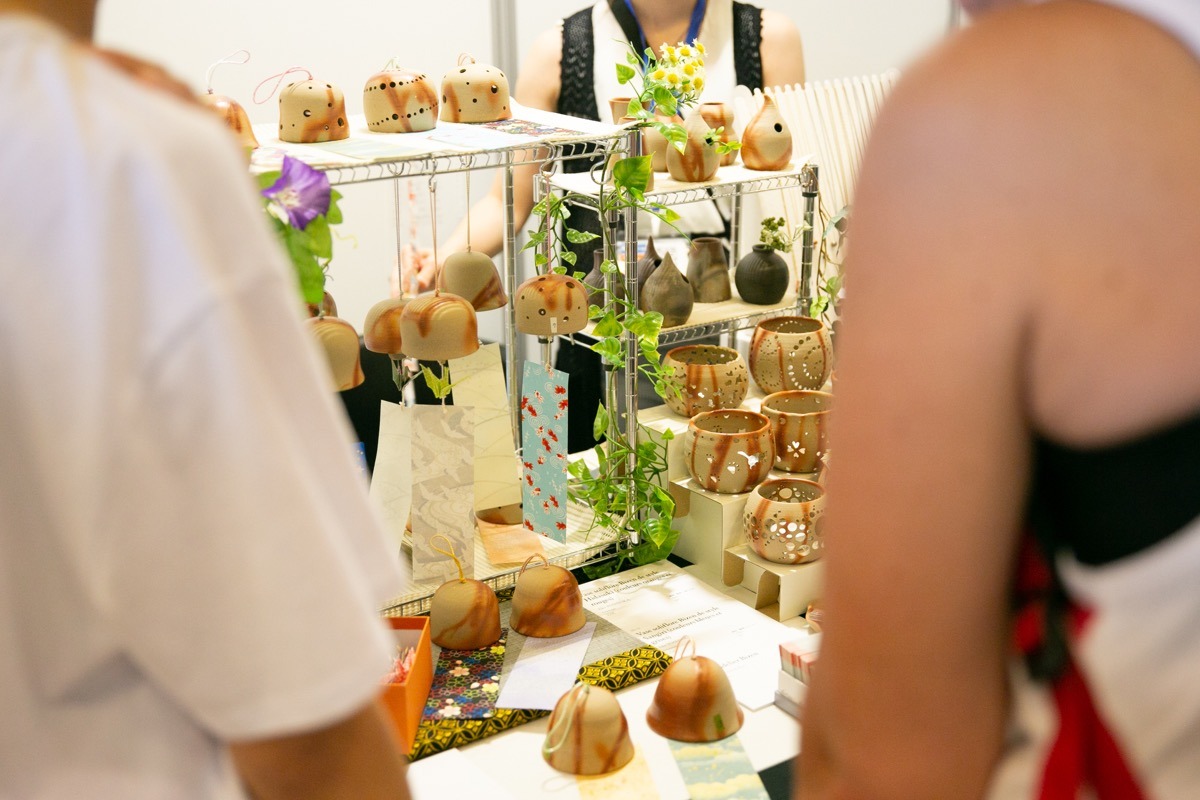
── How do you feel about the fact that so many craft production areas still exist in Japan?
Professor Conrad: Looking around the world, I believe there are very few countries where traditional crafts have been preserved to the extent they have in Japan. I find it truly rare and wonderful.
── Conversely, what is the situation like for traditional crafts in Germany and other European countries?
Professor Conrad: It's tough. In terms of the concept of "production areas," very few remain in Germany. While there are potters and glass artists throughout the country, I'd say the form of "production areas" like those in Japan is almost non-existent. Famous kilns like Meissen and Rosenthal existed, but they too are facing difficult circumstances.
Professor Meyer-Ohle: I think the change in consumer behavior is a major factor. In the past, it was common in Germany for couples to acquire a 12-person dinnerware set when they got married. Now, that custom has disappeared, and everyone just buys from IKEA.
Professor Conrad:The same thing is happening in Europe as the custom of acquiring kimonos for weddings has changed in Japan.
── There are also examples of production areas that have survived, such as the watchmaking industry in Glashütte. Few people in Switzerland buy Swiss watches domestically, but they sell worldwide. I think this might be similar to the future of Japanese crafts.
Professor Conrad: Their brand power is certainly strong.
Professor Meyer-Ohle: However, this is currently only feasible for relatively large companies; it's difficult for small, family-run businesses.
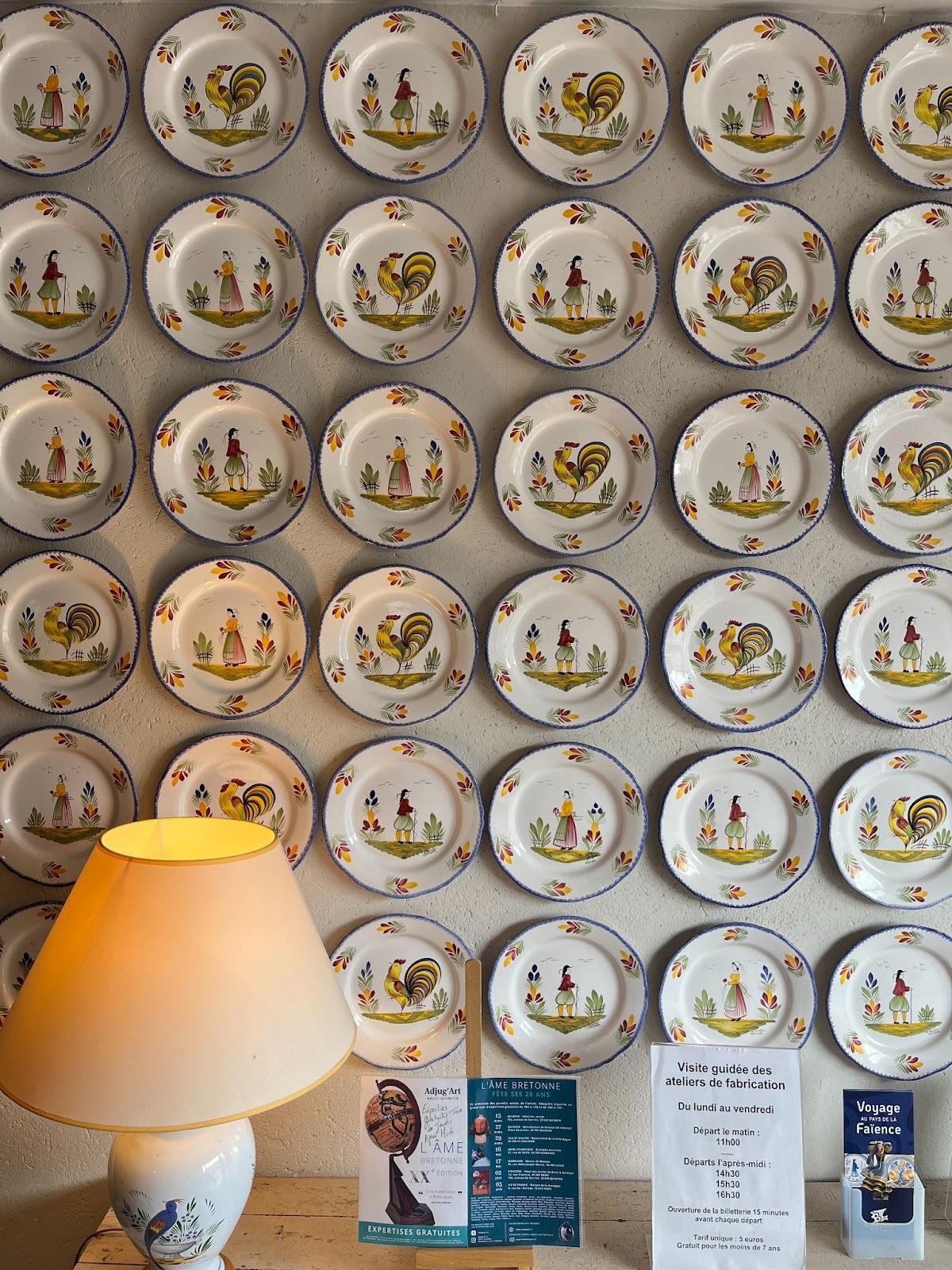
── Can the "Made in Japan" brand be a strength in the European market?
Professor Conrad: I definitely think there's potential. However, the situation has changed from the past. Previously, major Japanese electronics manufacturers like Sony and Panasonic instilled the image of "Made in Japan = high quality" worldwide. But now, with very few familiar Japanese B2C brands remaining for the average European consumer, more people might not immediately grasp the significance of "Made in Japan."
Professor Meyer-Ohle: From a German perspective, there's a familiarity with Scandinavian design, but the image of Japanese design isn't yet that strong. I also think there's a significant difference between France and Germany.
── Is there an image that "Japanese crafts are expensive"?
Professor Conrad: It's a bit difficult to say to the general public, but honestly, with the current exchange rate, I think many cases are perceived as "surprisingly inexpensive."For example, 3,000 yen for a cup might be considered "expensive" by some in Japan, but in German interior design shops, items around 3,000 yen are a completely normal price range. If something has "a slightly different flavor," there's even a segment of buyers who would happily purchase it.
── If you were to list the challenges for promoting Japanese crafts overseas, what would they be? For artisans, government, and intermediaries, respectively.
Professor Conrad: That's a difficult question. We're currently collecting data, so I can't give a definitive answer yet, but... first, I think "story" is crucial. In Europe, the background—why something was made, who made it, and how—often becomes the deciding factor in a purchase.
Another point is "sustainability." I believe the value of items that can be used for a long time even if they are expensive, and the idea of repairing and continuing to use them, will become even more important in the future.
Professor Meyer-Ohle: Currently, the stories from each manufacturer are fragmented, and I feel there isn't yet a larger context that defines "what Japanese crafts are" as a whole. If a broader narrative—encompassing Japanese craftsmanship as a whole, sustainable production, and the existence of diverse production areas—is understood, it might become easier to reach beyond core fans. I believe this is key to getting Japanese crafts stocked not just in specialized Japanese stores, but also in regular design select shops.
── Interest in sustainability and handmade goods is currently on the rise. Is this a tailwind for Japanese crafts?
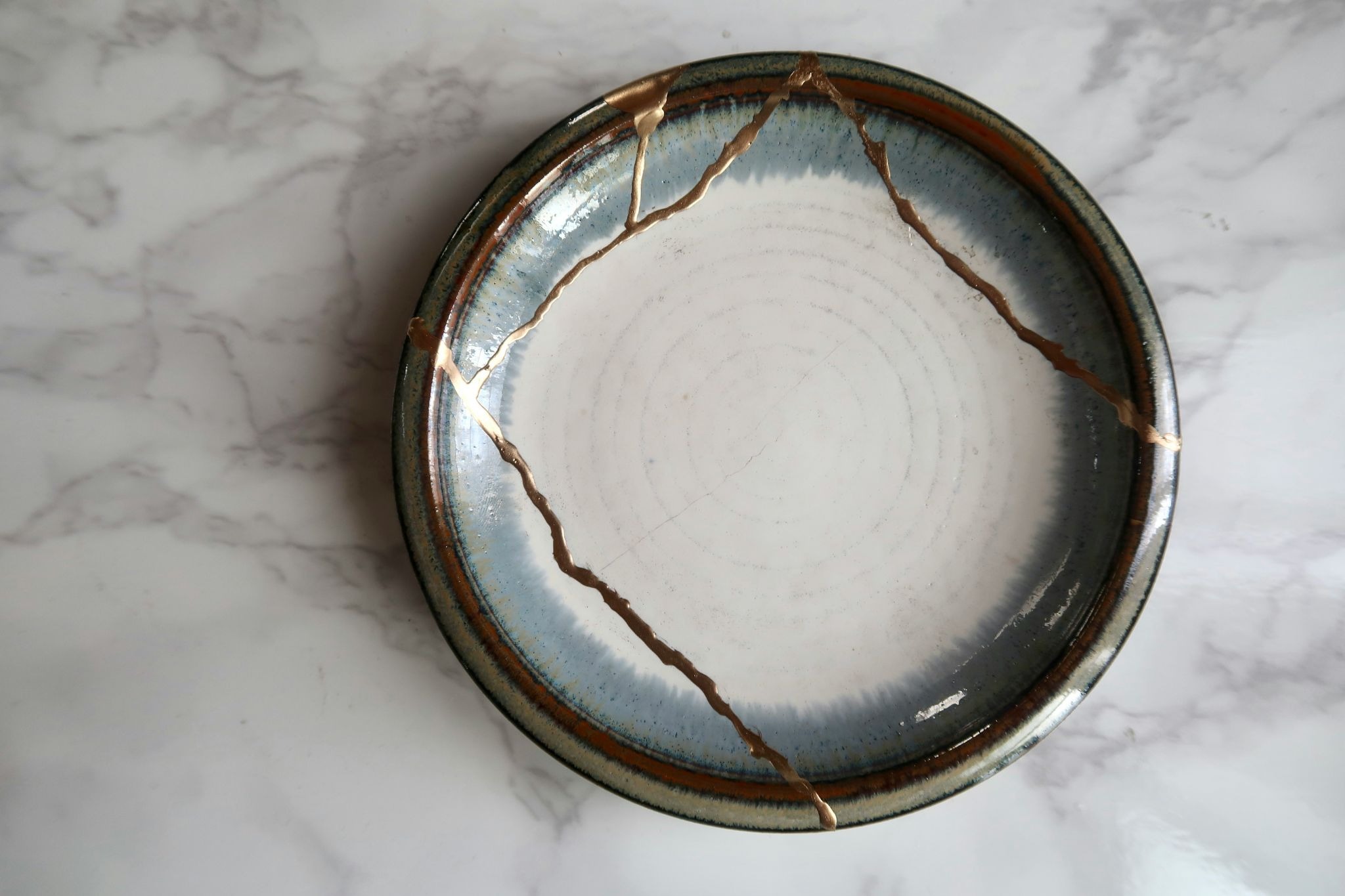
Professor Conrad: I think so. For example, "Kintsugi" is currently attracting a lot of attention overseas. The idea of repairing broken items and continuing to cherish and use them connects very well with the concept of sustainability. From there, I believe interest can be expanded to Japanese crafts as a whole.
Professor Meyer-Ohle:Personally, I'm not keen on using the common overseas image of "exotic Japan" (laughs), but from a marketing perspective, such a story might be effective. Nature, sustainability, a culture of cherishing objects... major Japanese car manufacturers also use such imagery in their advertisements in Germany, don't they?
── Major car manufacturers are running advertisements that collaborate with Japanese artisans and traditional crafts, aren't they?
Professor Conrad: That's right. By highlighting "Japanese craftsmanship," they are trying to elevate the value of the entire brand. I believe craftspeople also have the potential to leverage this same narrative.
This time, we spoke with two German researchers who study Japanese craft production areas about the potential and challenges of Japanese traditional crafts from a European perspective.
"Story," "sustainability," "creating a broader context" ── the researchers' words could offer concrete hints for artisans considering overseas expansion.
In Part 1, we reported on Japan Promotion representative Ikushima's detailed discussion of the mechanisms and specific support for overseas expansion. Please take a look.
[Read Part 1: "What is Support for Overseas Expansion of Traditional Crafts? Overseas Researchers Interview Japan Promotion Representative"]
Artists and businesses interested in overseas expansion are encouraged to contact Japan Promotion for an initial consultation.
[Contact Us Here]




![Japan Expo Paris [Corporate Exhibitor] Success Stories 2026](https://cdn.prod.website-files.com/679a0f0767ddc89953624c39/6a865ca727ba3168f7ace9a4_main1200_675_article413_DSC1221.webp)
![Japan Expo Paris [Artist Exhibition] Support Case Studies 2026](https://cdn.prod.website-files.com/679a0f0767ddc89953624c39/6a87ff8ae266d4dbdaccce45_main_article416__DSC4858.webp)